

Choosing the best time to trek in Kashmir is the single most important planning decision you will make — it determines which routes are accessible, what weather you will face on the passes, how crowded the trails are, and ultimately how memorable your Himalayan experience becomes. Kashmir is one of India’s most spectacular trekking destinations — a landscape of emerald alpine meadows, mirror-surface high-altitude lakes, and Himalayan passes that touch the sky above 4,000 metres. But timing your trek correctly is not a minor detail. It is, in fact, the single most important planning decision you will make. Go too early and you will find high passes buried under two metres of snow, river crossings dangerously swollen with snowmelt, and trails that simply do not exist yet. Go too late and you risk being caught by early winter snowfall, freezing overnight temperatures, and trail closures that strand groups mid-route.
The Kashmir trekking season runs broadly from June through October, but this window is not uniform. Altitude plays a decisive role: lower trails like the Tulian Lake Trek become accessible in early June, while high-pass routes like the Warwan Valley Trek — which crosses the Margan Top and descends through remote river valleys — require the snowpack to fully consolidate, typically by late June. By mid-October, the situation reverses: high passes start seeing early snowfall while lower sections remain walkable. This guide gives you a precise, month-by-month breakdown of what to expect, which treks open when, and exactly when to book your 2026 Kashmir trek for the best experience.
Best Time to Trek in Kashmir: Seasons at a Glance
Use this table as your quick reference, then read the detailed monthly sections below for the full picture.
| Month | Season | Avg Temp Day / Night | Trail Conditions | Recommended Treks | Snow Level |
|---|---|---|---|---|---|
| January–March | Deep Winter | –5°C to 5°C / –15°C to –8°C | Closed — deep snow, avalanche risk | None (Gulmarg skiing only) | 2–4 metres on all high trails |
| April | Late Winter | 8°C to 15°C / –2°C to 4°C | Closed — passes still blocked | None | 1–3 metres on most routes |
| May | Pre-Season | 12°C to 20°C / 2°C to 8°C | Very limited — only lowest trails | Lower valley walks only | Snow above 3,000m |
| June | Early Summer | 15°C to 22°C / 2°C to 6°C | Good — some snow on high passes | Tulian Lake (early June), Great Lakes (late June), Nafran Valley | Patches above 4,000m |
| July | Peak Season | 18°C to 25°C / 5°C to 10°C | Excellent — all treks open | All 5 treks fully operational | Minimal — only north-facing pockets |
| August | Peak Season | 17°C to 24°C / 5°C to 9°C | Excellent — minor lower-trail mud | All 5 treks — Great Lakes and Warwan outstanding | None on trails |
| September | Post-Monsoon | 14°C to 22°C / 0°C to 5°C | Outstanding — clearest skies of year | All 5 treks — best for photography | None |
| October | Closing Season | 8°C to 16°C / –3°C to 2°C | Good for lower treks, risky above 4,000m | Tulian Lake, Gurez Valley (lower sections) | Early snow above 4,200m from mid-October |
| November–December | Early Winter | 0°C to 8°C / –8°C to –2°C | Closed — snow accumulating | None | Growing snowpack |
June — The Gates Open
June is the moment Kashmir’s high mountains shake off winter. Through May, the passes that connect trek routes sit under two to three metres of consolidated snowpack — impenetrable for trekkers and their supply teams. As temperatures rise through the first weeks of June, the snow begins retreating upward from the lower meadows. By mid-June, trails below 3,500 metres are typically clear, and guides can navigate snow-patched sections above 4,000 metres with caution. The famous Baisaran meadows above Pahalgam turn vivid green, and the first wildflowers — yellow and white anemones, violet irises, and bright saxifrage — begin carpeting the open slopes.
In terms of specific treks, the Tulian Lake Trek is one of the first to open, typically accessible from the first week of June. Its maximum altitude of 12,087 feet means less accumulated snowpack than routes crossing the Gadsar or Nichnai passes. The Kashmir Great Lakes Trek — crossing three passes and visiting six high-altitude lakes — opens in late June once the Nichnai Pass and Gadsar Pass are cleared. The Nafran Valley Trek leading to Kolahai Glacier is also accessible by mid-June. The Warwan Valley Trek, which descends through the remote inner valleys of the Pir Panjal, generally opens in the last week of June.
What should you expect on a June trek? Nighttime temperatures at high camps drop to 2–5°C, making a good sleeping bag non-negotiable. You may encounter patches of hard snow on north-facing slopes and at high passes — trekking poles and a steady pace are essential. River crossings can be livelier than in July or August because snowmelt peaks in June. On the positive side, June offers significantly fewer crowds than July, and the freshness of the landscape after winter is genuinely extraordinary. Booking June batches can be slightly easier, though all batches with Trek in Kashmir fill up — plan at least three months ahead.
July — Peak Season and Wildflower Meadows
July is the crown jewel of the Kashmir trekking calendar. Every high-altitude route is fully open, the snowmelt has calmed river crossings to manageable levels, and the meadows — the famous margs of Kashmir — are exploding with colour. The Himalayan wildflower bloom peaks in July: Himalayan blue poppies, purple primulas, yellow buttercups, and wild roses transform places like Shekdur meadow on the Warwan route, Nichnai meadow on the Great Lakes circuit, and the upper Nafran Valley into scenes that seem almost impossible for a mountain landscape. For photographers, July light — long days at high altitude with sharp morning clarity — is unmatched.
Weather in July is also the most stable of the season. The Pir Panjal range that shields Kashmir from the main monsoon system is at its most effective buffer through July, keeping rainfall on the Kashmir side relatively modest compared to Himachal Pradesh or Uttarakhand. Days are warm at lower altitudes (18–25°C at valley level) and pleasant at high camps (12–15°C in sun). Nights cool to 5–10°C at most camps, making it the most comfortable sleeping environment of the season. Pass crossings in July are crisp and clear — the Gadsar Pass on the Great Lakes route, the Harnag Pass on the Warwan Valley route, and the upper meadows of Nafran Valley all offer their best conditions.
The trade-off with July is demand. This is the peak booking month and available batch slots fill up faster than any other period. If you plan to trek in July — particularly for the Kashmir Great Lakes Trek or the Warwan Valley Trek — book a minimum of four to five months in advance. Pack for a wide temperature range: light merino or synthetic trekking shirts for daytime on trail, a fleece mid-layer for evenings and mornings, and a waterproof shell for any afternoon showers. Sunscreen SPF 50 is essential — UV intensity at 4,000 metres is approximately 40% higher than at sea level.
August — Lush Green Valleys, Watch for Monsoon Edge
August occupies a fascinating meteorological position. Kashmir is geographically insulated from the main Indian monsoon by the Pir Panjal and Zanskar mountain ranges, which intercept the moisture-laden southwesterly airflow before it reaches the Kashmir Valley. As a result, Kashmir receives far less monsoon rainfall than destinations like Manali, Kedarnath, or Darjeeling. While Himachal Pradesh might be battered by persistent rain through August, Kashmir’s high trails remain largely dry. The upper meadows and alpine zones above 3,500 metres — the bulk of every trek — see very limited precipitation in August.
Where you will notice the monsoon edge is on lower-altitude approach trails and forest sections below 2,500 metres. After rain, these stretches can become muddy and slippery. The Aru Valley approach and some lower forest sections of the Pahalgam-side routes can be wet underfoot for a day or two after heavier rainfall events. Above the treeline, however, conditions are excellent throughout August. The Kashmir Great Lakes Trek reaches some of its most photogenic states in August — the lakes at Vishansar, Krishansar, Gadsar, Satsar, and Gangabal fill to their brim with glacial meltwater and reflect the surrounding peaks in spectacular clarity. Similarly, the Warwan Valley Trek showcases its remote river-carved valleys in full green glory through August.
August is also an excellent month for the Gurez Valley Trek, where the Kishanganga River valley turns intensely green and the Habba Khatoon peak presents its most dramatic aspect. Remember that Gurez requires an Inner Line Permit (ILP) — Trek in Kashmir handles this as part of the booking process. Crowds in August are moderate — slightly thinner than July — making it a strong alternative if July batches are full. Pack a reliable waterproof jacket regardless: even if rain is infrequent, mountain weather can shift quickly, and high passes in August can still see brief hailstorm events in the afternoon.
September — The Hidden Gem of Kashmir Trekking Season
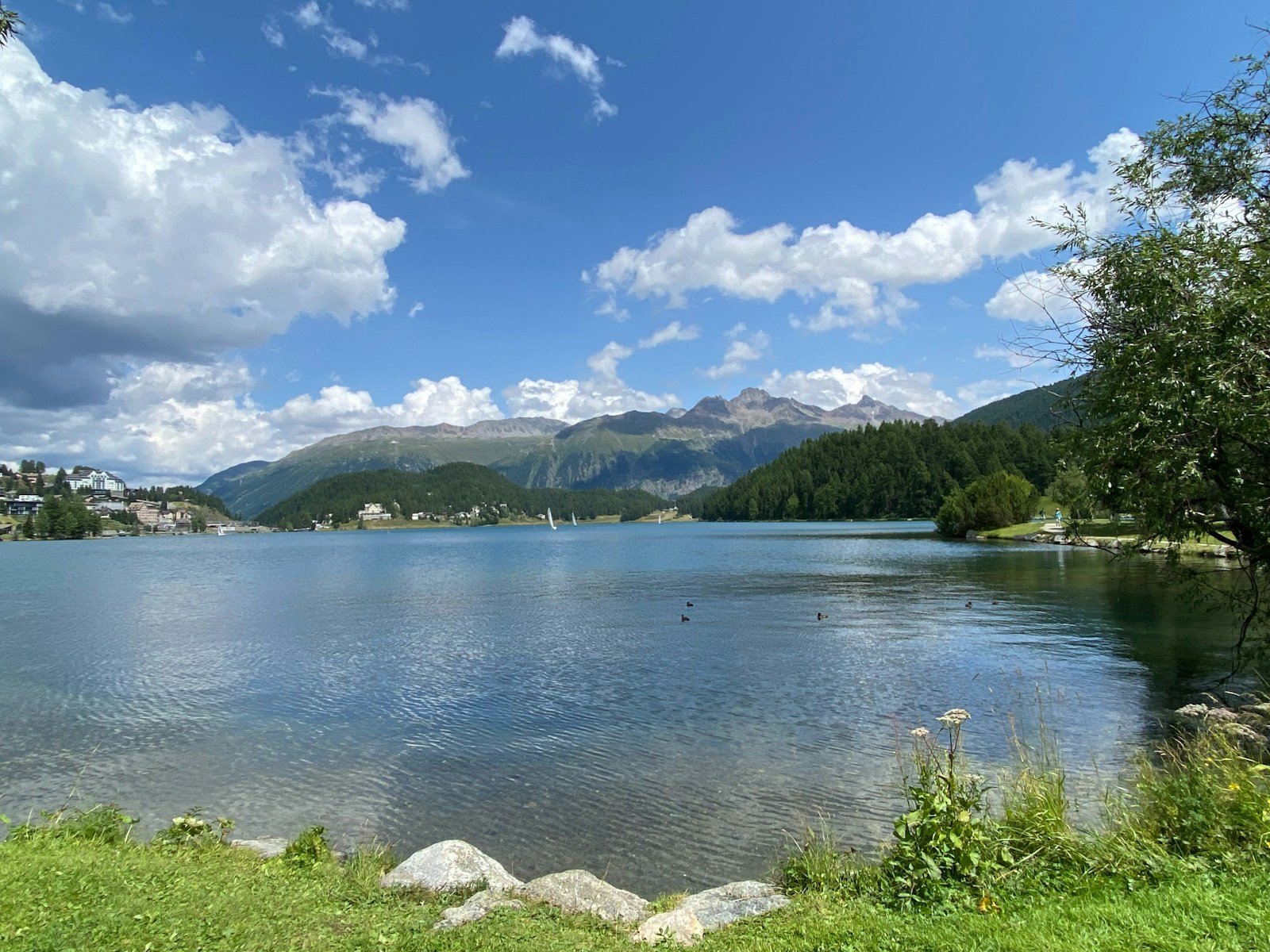
Ask any experienced Kashmir guide for their personal favourite month on the trail and the answer is almost always September. This is Kashmir trekking’s best-kept secret, and the reasons are compelling: the monsoon has retreated, the air has been washed crystal-clear by the season’s last rains, and the atmosphere at high altitude achieves a transparency that photographers and mountain lovers describe as otherworldly. From a high camp at 4,000 metres in September, you can see clearly to the Great Himalayan range on one horizon and the Pir Panjal on the other — without the slight haze that characterises even the best July or August days.
The landscape in September offers a striking transition. The meadows remain lush and green from the monsoon-edge rains, but the light quality changes: lower in the sky, golden-toned, casting long shadows across the mountain faces. The alpine vegetation begins shifting toward autumn hues — the grasses take on a warm amber tinge, the willows along stream banks turn yellow, and the contrast between the green meadows and the blue lakes becomes even more vivid. Overnight temperatures drop noticeably — expect 0–3°C at camps above 3,500 metres — which means proper sleeping bags and insulation layers are essential. But daytime temperatures remain highly pleasant for trekking: 14–22°C at valley level and 10–15°C on the open ridges.
All five Trek in Kashmir routes are fully operational in September. Crowd levels are meaningfully lower than July and August — you may have entire camping meadows to yourself, and the sense of wilderness is heightened. For the Nafran Valley Trek to Kolahai Glacier — Kashmir’s largest glacier — September delivers exceptional conditions: the glacier is fully exposed, the approach valley is emerald green, and the high-altitude views are at their clearest. The Gurez Valley Trek in September offers similarly uncrowded, deeply atmospheric conditions in one of Kashmir’s most remote border valleys.
October — The Last Window
October is the season’s final act, and it is not for everyone — but for experienced trekkers who understand the constraints, it offers its own unique rewards. The first two weeks of October typically provide excellent conditions on lower-altitude routes. The Tulian Lake Trek, topping out at 12,087 feet, remains accessible into mid-October with proper gear. Lower sections of the Gurez Valley Trek can be completed in early October, though the higher exposed sections require close monitoring of weather forecasts. The Pahalgam and Sonamarg base areas are still reachable, and the autumn colour on the chinar trees at lower elevations creates a different but equally beautiful visual experience.
The risk in October is rapid and unpredictable weather change. High passes — the Gadsar Pass and Nichnai Pass on the Great Lakes route, the Margan Top on Warwan, and the upper sections of Nafran Valley above 4,000 metres — can receive heavy early-winter snowfall from mid-October onward. In some years a significant snowfall event in mid-October closes the Gadsar Pass area for the remainder of the season. The Warwan Valley Trek generally closes by early October as the Margan Top becomes too risky. Trek in Kashmir monitors conditions closely and will advise honestly about October window availability — if you want to explore an October trek, contact us early and we will assess the seasonal outlook for that specific year.
Best Time to Trek in Kashmir — Route-by-Route Calendar
| Trek Name | Open From | Peak Season | Closes Around | Notes |
|---|---|---|---|---|
| Warwan Valley Trek 9 days, 84.5km, Difficult |
Late June (approx. June 25) | July – September | Early October | Margan Top clears last; closes first with early snowfall |
| Nafran Valley Trek 7 days, 41km, Moderate-Difficult |
Mid-June (approx. June 15) | July – September | Late September / Early October | Kolahai Glacier access best July–September; glacier partially snow-covered in June |
| Gurez Valley Trek 7 days, 37.6km, Moderate-Difficult, ILP required |
Mid-June (approx. June 15) | July – September | Mid-October (lower sections only) | ILP required — Trek in Kashmir arranges; Bandipora road opens by mid-June |
| Kashmir Great Lakes Trek 8 days, 74.8km, Moderate-Difficult |
Late June (approx. June 25) | July – September | Early October | 3 passes — Nichnai and Gadsar clear last; most popular trek, books fastest |
| Tulian Lake Trek 5 days, 26km, Easy-Moderate |
Early June (approx. June 5–10) | June – October | Mid-October | Longest season of all 5 treks; ideal for first-timers; lake at 12,087 ft clears earliest |
What to Expect at Different Altitudes — Temperature Guide
Temperature varies dramatically with altitude on Kashmir treks. Understanding what you will experience at each elevation band allows you to pack intelligently and set realistic expectations for comfort on the trail.
| Altitude | Location Example | June Day / Night | July Day / Night | August Day / Night | September Day / Night | October Day / Night |
|---|---|---|---|---|---|---|
| ~3,000m (9,842 ft) | Aru Valley / Pahalgam base | 18°C / 6°C | 22°C / 9°C | 21°C / 8°C | 18°C / 4°C | 12°C / 0°C |
| ~3,500m (11,483 ft) | Baisaran / Shekdur Meadow | 14°C / 3°C | 18°C / 7°C | 17°C / 6°C | 14°C / 2°C | 8°C / –2°C |
| ~4,000m (13,123 ft) | High camp / Vishansar Lake area | 10°C / 0°C | 14°C / 4°C | 13°C / 3°C | 10°C / –1°C | 4°C / –5°C |
| ~4,400m (14,435 ft) | Gadsar Pass / Warwan high point | 6°C / –3°C | 10°C / 1°C | 9°C / 0°C | 6°C / –4°C | 0°C / –9°C |
Note: temperatures are indicative averages. Actual conditions vary year to year. Wind chill at pass altitudes can reduce effective temperature by a further 5–8°C.
When NOT to Trek in Kashmir
The period from November through May is closed for all high-altitude Kashmir trekking, and this is not merely a guideline — it is a hard physical reality. From November onward, snowfall accumulates rapidly across the Kashmir Valley and its surrounding ranges. By December and January, the passes that serve as the backbone of every multi-day trek are buried under 2–4 metres of hard-packed snow and ice. The avalanche risk on slopes above 3,000 metres becomes severe and largely unpredictable. Water sources — the streams and glacial tributaries that provide drinking water on every route — freeze solid at high altitude. Daylight is drastically shorter: in January, Srinagar sees barely nine hours of light, and at altitude the usable trekking window shrinks further. Attempting winter trekking on Kashmir’s high routes without specialist mountaineering training and equipment is not adventurous — it is dangerous in a way that should not be romanticised.
This emphatically does not mean Kashmir has nothing to offer in winter. Gulmarg becomes one of Asia’s premier ski destinations, with the Gondola operating to 4,200 metres and excellent powder snow from December through March. Pahalgam sees its own quieter winter tourism. The Kashmir Valley itself under snow is strikingly beautiful, and cultural tourism — the old city of Srinagar, its Mughal gardens, the shikara rides on Dal Lake — is possible year-round. But for trekking specifically, the mountains enforce their own timeline, and the window from June to October is when the high Himalayas of Kashmir are genuinely accessible on foot. Use the off-season to plan, book, and prepare — not to trek.
Frequently Asked Questions — Kashmir Trekking Season
Is July or September better for the Kashmir Great Lakes Trek?
Both months are excellent, and the choice depends on your priorities. July delivers the wildflower bloom at its peak — the meadows along the route between Nichnai and Gadsar are extraordinarily colourful — and weather is the most stable. September offers crystal-clear skies with sharper mountain visibility, cooler temperatures that are easier for trekking, and fewer fellow trekkers on the route. For photographers, September edges ahead; for families or first-timers, July’s warmth and stability is reassuring. Both produce exceptional Kashmir Great Lakes Trek experiences.
Does it rain a lot during Kashmir trekking season?
No — Kashmir receives far less rainfall during the monsoon months than most of India’s other trekking regions. The Pir Panjal range intercepts the bulk of monsoon moisture. On trails above 3,500 metres, prolonged rain events are infrequent. Pack a waterproof jacket and expect occasional afternoon showers or brief hailstorms at altitude, but sustained rainy days are rare in Kashmir’s trekking zones between June and October. This is a significant advantage over Himachal Pradesh and Uttarakhand during the monsoon.
Is October a good time to trek in Kashmir?
October is viable for lower-altitude treks like Tulian Lake and the Gurez Valley lower sections, but the high passes on Kashmir Great Lakes and Warwan Valley typically begin seeing snowfall by mid-October. Temperatures drop sharply — expect sub-zero nights even at moderate camps. Experienced trekkers comfortable with cold conditions and some snow on the trail can have outstanding October expeditions, but it requires extra preparation, cold-rated gear, and flexibility around weather. Trek in Kashmir will advise on current conditions for October departures.
What is the temperature at night on Kashmir treks?
Night temperatures at altitude vary significantly by month and elevation. In July at high camp (3,800–4,000m), nights typically drop to 3–7°C. In June and September, expect 0–4°C at the same elevation. October nights at altitude frequently fall to -3 to -8°C. At lower camps (below 3,500m), temperatures are warmer by 3–5°C. Trek in Kashmir provides sleeping bags rated to -10°C as standard equipment, which is sufficient for all months within the main trekking season.
Which Kashmir trek can be done earliest in the year?
The Tulian Lake Trek from Pahalgam can typically be attempted earliest in the season — sometimes from late May or early June — as it starts from a lower base (Pahalgam at 7,200 ft) and its maximum altitude of 12,087 ft at Tulian Lake clears of snow before the higher routes. The Kashmir Great Lakes Trek and Warwan Valley Trek generally require late June at the earliest for safe pass crossings. Trek in Kashmir confirms exact opening dates each year based on snow conditions monitored by our local guide team.
What Is the Best Time to Trek in Kashmir? Book Your Dates Now
Choosing the right month transforms your Kashmir trek from a good experience to an unforgettable one. Whether you are drawn to July’s wildflower meadows, August’s lush valleys, or September’s crystalline mountain air, the 2026 trekking season across all five Trek in Kashmir routes is shaping up to be exceptional.
Important: 2026 batch dates are filling quickly. Our July and early September batches for the Kashmir Great Lakes Trek and Warwan Valley Trek are already partially booked. We recommend securing your slot at least three to four months before your preferred date. Browse all available treks, check batch calendars, and book directly on our website — or contact our team who can help match your preferred season, fitness level, and schedule to the ideal route.
- Warwan Valley Trek — 9 days, 84.5km, Difficult, ₹20,150
- Nafran Valley Trek — 7 days, 41km, Moderate-Difficult, ₹17,250
- Gurez Valley Trek — 7 days, 37.6km, Moderate-Difficult, ₹15,250
- Kashmir Great Lakes Trek — 8 days, 74.8km, Moderate-Difficult, ₹20,250
- Tulian Lake Trek — 5 days, 26km, Easy-Moderate, ₹12,150