

Getting your Kashmir trek packing list right is not just about comfort — at altitudes between 12,000 and 14,500 ft, the wrong gear choices can become genuine safety issues. Use this comprehensive Kashmir trek packing list to make sure you arrive prepared — and nothing important gets left behind. Packing for a high-altitude Kashmir trek is not the same exercise as packing for a weekend hiking trip or a Ladakh road journey. You will be spending 5 to 9 days at elevations between 3,000 and 4,400 metres, crossing mountain passes where temperatures can drop to zero even in July, navigating terrain where the nearest village can be a full day’s walk away, and sleeping in tents where the only warmth available is what you brought in your bag. There are no gear shops, no pharmacies, and no warm cafes on the trail between Sonamarg and Gangabal, or between Pahalgam and the Warwan Valley. What you carry in your pack on Day 1 is precisely what you will have available on Day 7.
This is the essential distinction between casual hill walking and serious Himalayan trekking: preparation is irreversible once you leave the trailhead. Bring the wrong shoes and you will be nursing blisters for six days. Forget your warm mid-layer and nights at 3,800 metres will be genuinely miserable rather than pleasantly brisk. Carry too much and the 10–14 km daily distances become grinding slogs instead of enjoyable mountain journeys. This guide gives you a precise, thoughtfully organised Kashmir trek packing list built around the specific conditions of the routes operated by Trek in Kashmir — from the beginner-friendly Tulian Lake Trek at 12,087 feet to the demanding Warwan Valley Trek at 84.5 kilometres across 9 days.
The Kashmir Trekking Packing Principles
Principle 1: The Layer System, Not Cotton. Kashmir’s mountains require adaptable clothing — it can be 20°C at 2pm and 3°C at 8pm at the same campsite. The layering system (base layer, mid-layer, outer shell) allows you to add and remove insulation as conditions change. The single most important rule of high-altitude clothing is this: never wear cotton next to your skin on a mountain trek. Cotton absorbs moisture and holds it against your body, causing rapid heat loss — a serious risk when temperatures drop at altitude. Synthetic or merino wool fabrics wick moisture away from the skin and continue to insulate even when damp.
Principle 2: Weight Discipline. On a Kashmir trek with Trek in Kashmir, your guides and pack ponies carry the group equipment — tents, kitchen supplies, group first aid, and food. Your personal pack should target 8–12 kilograms. Every item you add beyond necessity directly affects your daily trekking performance, your knees on long descents, and your enjoyment of the experience. Apply a simple test to each item before it goes in: if you cannot identify the specific situation where you will use it, leave it in Srinagar.
Principle 3: Altitude-Specific Preparation. Altitude affects your body in ways that flat-land packing logic does not account for. UV radiation is approximately 10% stronger for every 1,000 metres of elevation — at 4,000 metres, UV intensity is roughly 40% higher than at sea level, making high-SPF sunscreen a medical necessity, not a cosmetic choice. Cold air at altitude is drier, increasing dehydration and lip cracking. Battery life of electronics drops sharply in the cold — lithium batteries handle this significantly better than standard alkaline cells. These altitude-specific realities shape several of the recommendations in this list.
Clothing — The Essential Layering System
Base Layer (Next to Skin)
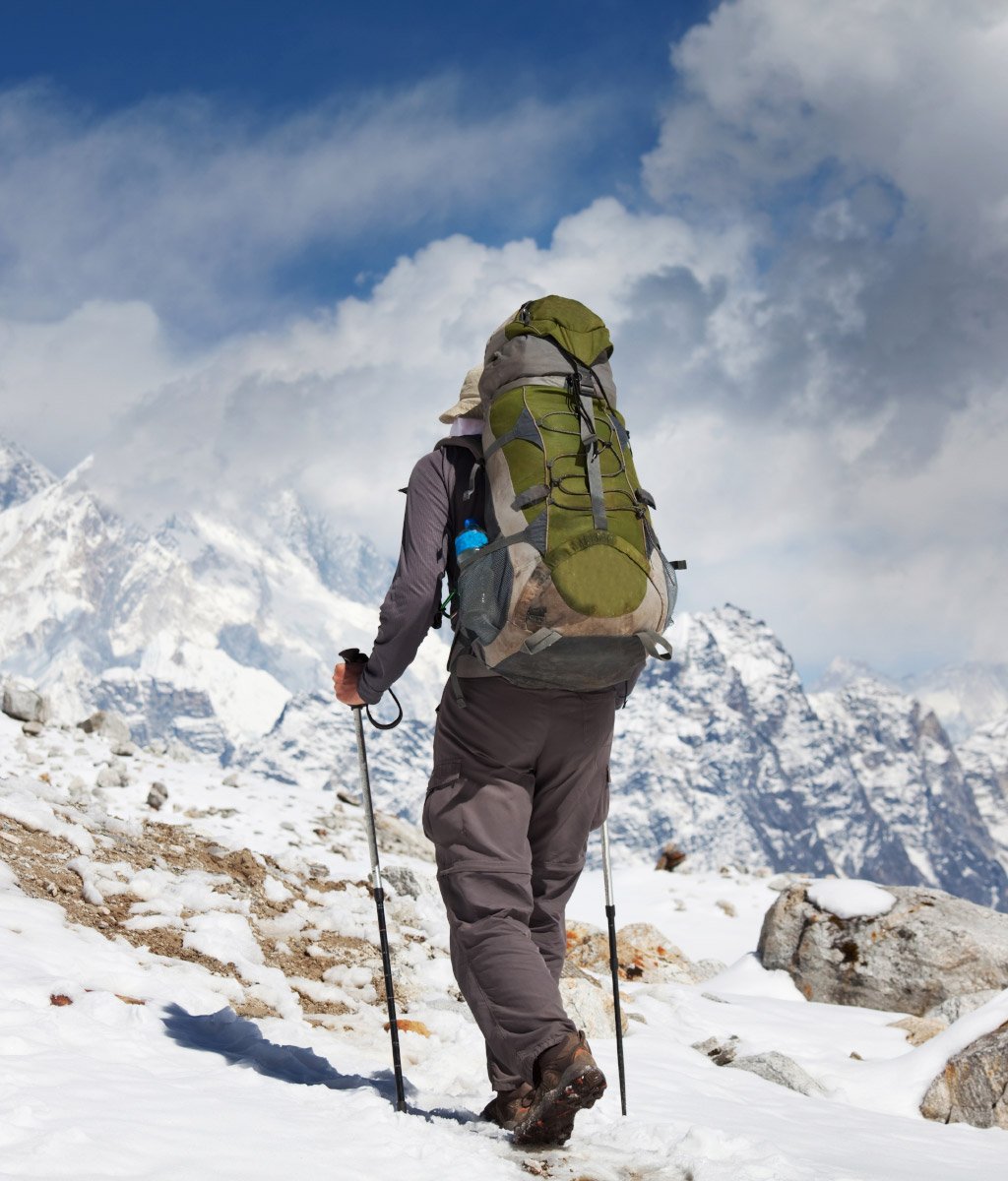
Your base layer is the first line of defence against the primary comfort threat in mountain trekking: sweat management. As you climb a steep section toward a high camp, you will perspire. If that moisture is trapped against your skin by a cotton t-shirt, it will chill you dangerously once you stop moving at high altitude. Moisture-wicking synthetic fabrics (polyester blends) or merino wool pull sweat away from skin and allow it to evaporate efficiently — keeping you dry and warm throughout the day.
Pack two full-sleeve base layer tops and two pairs of base layer bottoms. Full sleeves matter even on sunny days — combined with sunscreen, they protect your arms from the intense UV at altitude and prevent sunburn that becomes exhausting to manage over multiple days. Merino wool is the premium choice: it manages odour better than synthetics over multi-day wear (critical when laundry is impossible on trail), insulates even when damp, and is comfortable against the skin without chafing. If budget is a constraint, good-quality synthetic base layers perform well. Avoid any base layer marketed as “cool fit” or open-mesh construction — those are designed for lower-altitude exercise, not overnight sub-zero conditions at 4,000 metres.
Mid Layer (Insulation)
The mid-layer provides the bulk of your thermal insulation and is the garment you will put on immediately when you reach camp, during rest breaks at altitude, and for every morning on trail before the sun warms the air. For Kashmir treks in July and August, a medium-weight fleece jacket (200–300 weight) is sufficient for most evenings and mornings. For June, September, and October trekking — when nighttime camp temperatures drop to 0–4°C — a lightweight down jacket (400–600 fill power) is strongly recommended. Down compresses to a small stuff sack during the day and deploys instantly when needed at camp.
Carry one mid-layer garment that covers your torso and arms completely — a full-zip design is practical for adjusting ventilation on the move. If you are trekking in the shoulder months or planning a route with high-altitude camps (the Kashmir Great Lakes Trek camps at Nichnai and Gadsar, or the high camps on the Nafran Valley Trek near Kolahai Glacier), lean toward the down jacket. For a July Tulian Lake Trek, a fleece alone is sufficient. Do not pack both — choose the right one for your month and trust the layering system.
Outer Shell (Wind and Waterproof)
A waterproof and windproof outer shell is non-negotiable on every Kashmir trek, in every month. Afternoon hailstorms can appear with minimal warning at high altitude. High passes — the Gadsar Pass, Nichnai Pass, Harnag Pass, Margan Top — are exposed to strong wind even on otherwise clear days. Without a functioning outer shell, wind chill at 4,000+ metres can drive your perceived temperature to dangerously low levels regardless of what the thermometer reads. A hardshell jacket with a waterproof rating of at least 10,000mm hydrostatic head and taped seams is the standard minimum.
Hardshell trousers (waterproof over-pants) complete the outer shell system and deserve a place in your pack. They are lightweight when folded, add critical wind protection on exposed ridge walks, and serve as an extra layer over your trekking trousers during cold mornings or rain. Do not sacrifice waterproofing to save 200 grams — on a mountain pass in a hailstorm at 4,200 metres, a quality hardshell is worth every gram it weighs.
Trekking Trousers and Leg Layers
Dedicated trekking trousers — made from quick-drying, stretch nylon or softshell fabric — are the correct choice for Kashmir’s trail terrain. Convertible zip-off trousers give flexibility between warm valley sections and cooler high-altitude stretches. Absolutely avoid jeans: denim is heavy, dries extremely slowly when wet, restricts movement on steep terrain, and provides virtually no insulation. For June, September, and October trekking, add a pair of thermal base layer bottoms to wear under your trekking trousers on cold mornings and in camp. For July and August, the thermal bottoms can stay in your pack until needed at high camps. One pair of lightweight camp shorts is a small luxury worth its pack space — lower-altitude camps can be comfortably warm in the afternoons, and having an alternative to full trekking trousers for camp hours adds meaningful comfort over a 7–9 day trip.
Extremities — Hands, Head and Feet
Pack a warm beanie hat (wool or fleece, covering the ears) for camp use and cold morning starts on trail. Add a sun hat with a brim for daytime walking — the UV at 3,500+ metres makes shade not a comfort preference but a health consideration. Carry lightweight synthetic or wool gloves for morning trail use and high pass crossings — at altitude, bare hands in wind become painfully cold surprisingly quickly even when the thermometer reads 8°C. For feet, pack 3–4 pairs of trekking-specific socks (merino wool preferred) and 1–2 pairs of thin synthetic liner socks. The double-sock system dramatically reduces blister formation by absorbing friction between layers rather than against skin.
Footwear — The Most Critical Item on Your Packing List
If there is one item on this entire list that determines whether your Kashmir trek is enjoyable or painful, it is your footwear. Kashmir’s trail terrain is diverse and demanding: loose scree on high passes, wet rocky stream crossings, soft meadow grass concealing uneven ground, steep compacted earth descents, and occasional snow patches in early season. The correct footwear is a waterproof, ankle-supporting trekking boot with a Vibram or equivalent rubber sole. Not trail runners, not approach shoes, not sneakers, and emphatically not sandals. The ankle support is not optional — high-altitude terrain routinely produces twisted ankles on otherwise experienced trekkers who arrive in low-cut footwear.
The most common and damaging mistake we see is trekkers arriving with brand-new boots purchased in the week before the trek. Breaking in trekking boots is physiologically real. A stiff new boot that has not conformed to the shape of your foot will produce blisters and hot spots within the first day of a serious climb, and those blisters will compound painfully across the remaining days. Wear your boots for a minimum of 2–3 weeks before the trek — daily walks, stair climbing, and varied terrain. If they are producing discomfort in week two, address it before you reach Kashmir. For June trekking when residual snow is possible on passes, lightweight gaiters prevent snow from entering your boots during pass crossings.
Pack one pair of lightweight camp sandals (Crocs-style work well). After a full day in trekking boots, changing into camp footwear is a daily luxury that your feet will genuinely appreciate. They also serve for stream crossings where keeping your trekking boots dry is preferable — your guides will demonstrate when and where this applies.
Technical Trek Gear
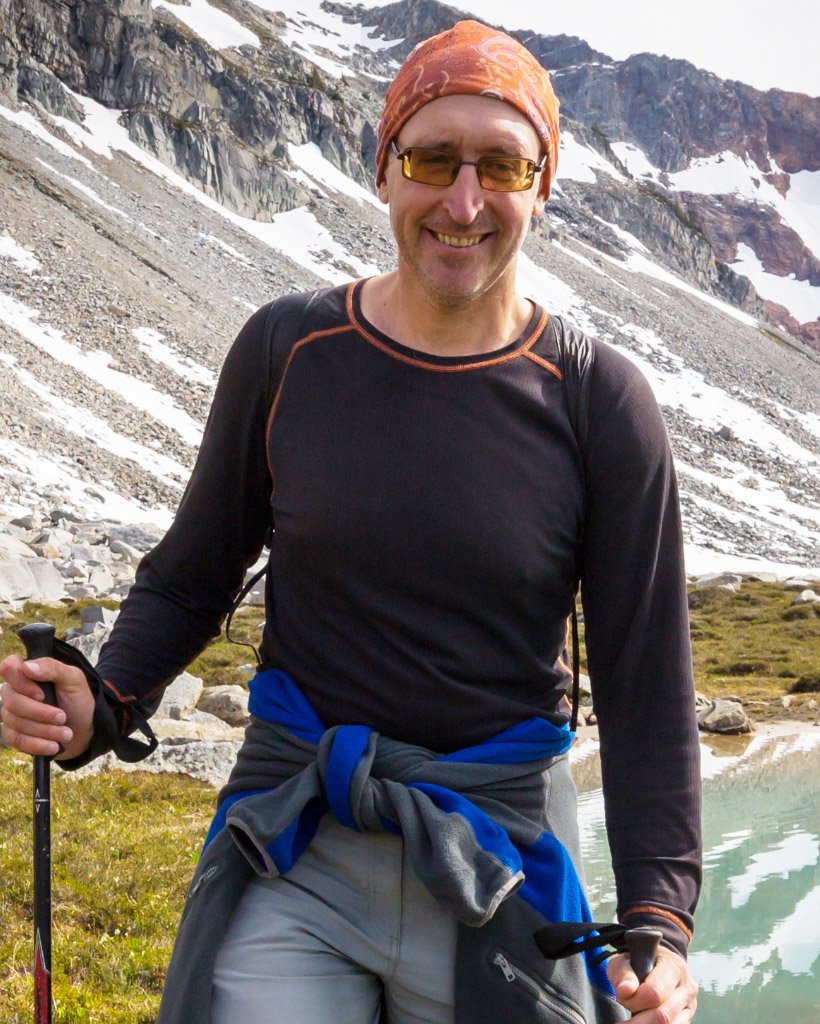
Trekking Poles: Strongly recommended for every Kashmir trek. They reduce knee impact on steep descents by approximately 25%, provide stability on slippery river crossing stones, offer balance on loose scree, and help maintain rhythm on long uphill sections. Collapsible aluminium or carbon fibre poles pack compactly. If you do not own poles, Trek in Kashmir offers them for rent — confirm availability when booking.
Backpack: A 50–65L main pack for multi-day treks, with a 20–25L daypack that can be stored inside when travelling to the trailhead. Your main pack should have a padded hip belt (which transfers 70% of pack weight to your hips rather than shoulders), a rain cover, and multiple access points. Internal frame packs are more practical than external frame for rocky terrain.
Sleeping Bag: A bag rated to –5°C comfort is the minimum for July and August Kashmir trekking. For June, September, and October, a –10°C rated bag is strongly advised. Even though Trek in Kashmir provides sleeping bags as part of the package, many regular trekkers prefer bringing their own, particularly those who sleep cold or who prefer hygiene consistency across multi-day trips. If you bring your own, choose a down or synthetic fill bag that compresses small. Do not use a summer camping bag.
Headlamp: A headlamp with at least 200 lumens output and lithium batteries. Lithium cells maintain performance at low temperatures significantly better than alkaline — at 0°C, alkaline batteries lose approximately 25% of capacity while lithium maintains full output. You will use your headlamp every morning (pre-dawn starts on long-day sections), every evening in camp, and for any tent navigation after dark. Carry one spare set of batteries regardless.
Water Bottles and Purification: Carry two 1-litre hard-sided water bottles or one 1L bottle plus a hydration bladder with insulated tube (the tube can freeze on high passes in June and October). At altitude, recommended daily hydration increases to 3–4 litres — dehydration is a significant altitude sickness contributor. For purification, iodine or chlorine dioxide tablets are lightweight and reliable, or carry a SteriPen UV purifier for faster treatment without chemical taste. Your trek crew advises on which water sources are safe to use directly, but personal purification is important redundancy.
Dry Bags and Stuff Sacks: A 20L waterproof dry bag protects electronics, documents, and your sleeping bag liner from rain and sweat transfer inside your main pack. Smaller stuff sacks organise and compress clothing layers efficiently.
Microfibre Camp Towel: Compact, fast-drying, and far superior to a regular towel in weight and dry-time. One small (40x80cm) and one medium (60x120cm) cover all trail needs.
Hygiene and Personal Care
High-altitude trekking generates significant sweat and sun exposure, while the fragile alpine ecosystem requires that you minimise chemical contamination of water sources. Use biodegradable soap and shampoo on all Kashmir treks — standard synthetic detergents persist in alpine streams and lakes and are harmful to aquatic ecosystems. Trek in Kashmir operates with Leave No Trace principles; biodegradable products are a non-negotiable part of responsible trekking in Kashmir’s protected mountain environments.
- Sunscreen SPF 50+ (broad spectrum): Pack at least two tubes — one in your daypack for regular trail reapplication and one in camp kit. At 4,000 metres, UV exposure is approximately 40% more intense than at sea level. Sunburn at altitude is not merely cosmetic — it can cause blistering and genuine health complications over multi-day exposure.
- SPF lip balm: Lips are particularly vulnerable to UV damage and cold-air drying at altitude. Apply every two hours on trail.
- Wet wipes (large pack): For trail cleaning when running water is unavailable or too cold. Non-perfumed preferred.
- Toilet paper and waste bag: Carry all paper waste out — do not bury or leave on trail. Trek in Kashmir guides carry group waste bags.
- Hand sanitiser: 70%+ alcohol, two small bottles. Critical before all meals on trail.
- Feminine hygiene products: Pack sufficient supply plus extras — resupply is impossible on route.
- Earplugs: A small luxury that meaningfully improves sleep quality in shared camp areas.
First Aid and Medications
Essential Medications for Kashmir Treks
Diamox (Acetazolamide): The standard prophylactic medication for Acute Mountain Sickness (AMS) at high altitude. Consult your doctor before the trek — Diamox is a sulfa-class drug and should not be taken by anyone with sulfa allergies or certain kidney conditions. Standard preventive dosage is 125mg twice daily, beginning 24 hours before ascending above 3,000 metres and continuing for 48 hours after reaching maximum altitude. Side effects include increased urination and tingling in fingers and toes — these are normal and generally mild. Note that Diamox treats AMS symptoms but does not resolve serious altitude sickness — descent remains the definitive treatment for High Altitude Pulmonary or Cerebral Oedema.
ORS (Oral Rehydration Salts): Pack 10–15 sachets. At altitude, increased respiratory rate and dry air accelerate fluid and electrolyte loss. ORS dissolved in water replenishes sodium, potassium, and glucose — significantly more effective than plain water for maintaining hydration and energy levels on strenuous days.
Ibuprofen and Paracetamol: For headache, fever, muscle soreness, and general pain management. Altitude headaches are very common in the first 24–48 hours above 3,500 metres — paracetamol provides effective relief. Carry both medications.
Antihistamine (Cetirizine or Loratadine): For dust reactions, insect bites, cold-triggered rhinitis, or mild allergic responses. Non-drowsy formulations are preferred for daytime trail use.
Antidiarrheal (Loperamide): Diet changes and the physical stress of trekking can trigger digestive issues. Two days of loperamide provides management capability for short-duration episodes. Do not use if you have fever, which may indicate a bacterial infection requiring medical attention rather than symptom suppression.
Antiseptic Cream, Plasters, and Bandage: Blister management is the most frequent first-aid need on any multi-day trek. Bring moleskin (the gold standard for blister prevention and protection), a range of plaster sizes, antiseptic cream, and a small elastic bandage for joint support.
Pulse Oximeter (Optional but Strongly Recommended): A fingertip pulse oximeter measures blood oxygen saturation (SpO2) — a direct indicator of how well your body is acclimatising to altitude. At sea level, normal SpO2 is 97–99%. At 4,000 metres, values of 88–94% are normal for acclimatised trekkers. If your SpO2 drops below 85% with symptoms of AMS (severe headache, confusion, loss of coordination), this is a medical emergency requiring immediate descent. Small, lightweight oximeters are widely available and provide invaluable objective data on the trail.
First Aid Kit Essentials
- Elastic bandage (crepe, 7.5cm width) — 2 rolls
- Medical adhesive tape (2.5cm) — 1 roll
- Moleskin sheet or blister plasters — at least 10 patches
- Antiseptic wipes — 10 individual sachets
- Triangle bandage — 1 (for immobilisation if needed)
- Safety pins — 6
- Small scissors — 1
- Disposable gloves — 2 pairs
- CPR face shield — 1
Note: Trek in Kashmir carries a comprehensive group first aid kit including emergency oxygen on routes with passes above 4,000 metres. Your personal kit supplements this for individual-level management.
Documents and Money
Document management on remote Himalayan treks requires redundancy — losing your only ID copy in a mountain stream is a genuinely difficult situation to resolve from a remote valley.
- Government Photo ID (Aadhaar Card or Passport): Original plus two photocopies stored separately (one in daypack, one in main pack). Required for all Kashmir accommodation and trekking checkpoints.
- Inner Line Permit (ILP): Required specifically for the Gurez Valley Trek. Trek in Kashmir arranges this as part of the booking process — confirm your documents are in order at least two weeks before departure date.
- Travel Insurance Documents: A printed copy of your policy number and the emergency contact or claims number for your insurer. Critically, ensure your policy explicitly covers high-altitude trekking (above 4,000 metres) and emergency helicopter evacuation — standard travel insurance often does not cover adventure activities without a specific rider.
- Emergency Contacts List: A physical, offline list (not phone-dependent) including contacts for Trek in Kashmir, your next of kin, your insurer, and the nearest hospital to Srinagar. Store a photo of this list on your phone as backup.
- Trek in Kashmir Booking Confirmation: Printed and digital copy.
- Emergency Cash: A minimum of ₹3,000–5,000 in cash. There are no ATMs anywhere on Kashmir’s high-altitude trek routes. Smaller denomination notes are practical for incidental purchases at trailhead villages.
- Digital Backup: Photograph all key documents and email them to yourself — accessible from any internet connection in Srinagar if originals are lost.
Electronics and Power
Smartphone with Offline Maps: Download your trekking route on Maps.me or AllTrails before leaving Srinagar. Mobile network coverage is limited to zero on most Kashmir high-altitude routes. An offline map with GPS (which does not require network connectivity) is an important safety tool, particularly if you ever become separated from your group.
Power Bank: A minimum 20,000mAh power bank with lithium chemistry. Cold temperatures significantly reduce battery output — at 5°C, power banks deliver approximately 70–80% of rated capacity. A 20,000mAh bank will typically charge your phone 4–5 times and your headlamp battery pack once. Keep it in an inner jacket pocket during cold mornings and nights to maintain warmth and output performance. Charging opportunities at the trailhead are limited and unavailable after departure.
Camera: Modern smartphone cameras perform excellently at high altitude. If you carry a dedicated camera, factor its weight and battery needs into your pack weight calculation — camera batteries drain faster in cold, so bring at least two charged spares.
Universal Charging Cable and Adaptor: A multi-tip or USB-C compatible charging cable and a compact universal travel adaptor for Srinagar hotel charging before and after the trek.
Mountain Weather Reference: Before departing for the trailhead each day, check mountain-forecast.com for altitude-specific forecasts on your route. Download the app and cache relevant location data before leaving Srinagar. Your Trek in Kashmir guide also carries current conditions intelligence, but personal weather awareness supports better decision-making on the trail.
What Trek in Kashmir Provides — What You Don’t Need to Carry
Part of effective packing is knowing what not to bring because it is already provided. This table clarifies what Trek in Kashmir supplies as part of every trek package.
| Item | Provided by Trek in Kashmir | You Bring Your Own |
|---|---|---|
| Trek tent (2-person per 2 trekkers) | Yes — high-altitude dome tents | No |
| Sleeping bag | Yes — rated to –10°C | Optional (personal preference or hygiene) |
| Sleeping mattress / insulating pad | Yes | No |
| All meals on trail (breakfast, lunch, dinner, snacks) | Yes — hot nutritious meals by trek cook | Personal snacks or energy gels if preferred |
| Camp kitchen equipment | Yes | No |
| Certified trek guide | Yes — experienced local Kashmiri guides | N/A |
| Cook and support staff | Yes | N/A |
| Group first aid kit with emergency oxygen | Yes | Personal medications and blister kit |
| Pack ponies for group equipment transport | Yes — you carry only your personal daypack | N/A |
| Trekking poles | Available for rent — confirm at booking | Recommended to bring your own |
| ILP permit (Gurez Valley Trek only) | Yes — arranged by Trek in Kashmir | Provide required ID documents in advance |
Packing Weight Guide
Your target total pack weight is 8–12 kilograms. This is achievable with disciplined packing and should be your firm ceiling. Because Trek in Kashmir’s pack ponies carry all group equipment — tents, kitchen, food supplies, group first aid — your personal pack contains only clothing, optional sleeping bag, personal first aid, documents, electronics, and hygiene items. Here is what 10kg looks like in practice for a 7-day trek:
- Sleeping bag (if personal, optional): 1.0–1.3kg
- Full clothing layering system (2 base sets, fleece or down, shell jacket and trousers, 2 trek trousers, 3–4 socks): 2.5–3.0kg
- Camp sandals: 0.3kg
- Backpack itself: 1.0–1.5kg
- Water bottles (filled): 1.0–2.0kg
- Electronics (phone, power bank, headlamp): 0.5–0.8kg
- First aid and medications: 0.3–0.5kg
- Hygiene and personal care: 0.4–0.6kg
- Documents and miscellaneous: 0.3kg
- Total: approximately 8–11kg
Weight reduction tips: Choose merino wool base layers over heavier cotton alternatives. An ultralight rain jacket saves significant weight without sacrificing protection. Leave non-essential items at your Srinagar hotel — most good hotels provide secure luggage storage for the duration of your trek. Every kilogram above 12kg is carried by your knees on a 600-metre descent day. Pack wisely from Day 1 and you will thank yourself on Day 6.
Frequently Asked Questions — Kashmir Trek Packing
Can I rent trekking gear in Kashmir?
Some basic trekking gear is available for rent in Pahalgam and Srinagar — sleeping bags, basic rucksacks, and trekking poles are the most commonly available items. Quality and condition varies significantly. We recommend bringing or purchasing your own footwear, clothing layers, and personal medical kit. Trek in Kashmir provides trekking poles for rent — confirm availability when booking. For high-value items like down jackets and boots, buying second-hand from reputable outdoor gear marketplaces before leaving home is often better value and more reliable than rental in Kashmir.
Is a sleeping bag necessary if Trek in Kashmir provides one?
Trek in Kashmir provides sleeping bags rated to -10°C as part of the standard package — sufficient for all months and routes. Many trekkers who sleep cold prefer to bring their own bag or a silk liner inside the provided bag. A silk liner adds approximately 3–5°C of warmth, compresses to the size of a fist, and weighs under 150 grams — an excellent addition for June or September trekking. Bringing your own full sleeping bag is a personal choice, not a requirement.
What shoes are best for Kashmir treks?
Waterproof, ankle-supporting trekking boots are the correct footwear for every multi-day Kashmir trek. The terrain involves loose scree, river crossings, mud, and snow patches — trail running shoes or sports shoes are insufficient and potentially dangerous. Brands like Salomon, Merrell, Scarpa, and La Sportiva all produce suitable options. Most critically: whatever boots you buy, break them in thoroughly over at least 2–3 weeks of regular walking before your trek. New boots on a Kashmir trail is one of the most common causes of severe blistering and trek abandonment.
Should I carry a water filter or purification tablets?
Both are good options. Water purification tablets (iodine or chlorine dioxide) are lighter and work reliably on Kashmir’s glacial water sources. A SteriPen UV purifier is more convenient for larger volumes and has no chemical taste. A lightweight filter like a Sawyer Squeeze adds another layer of protection. Trek in Kashmir’s kitchen team provides purified drinking water at camp, but having your own purification method for on-trail drinking is important — especially on longer days where water source quality can vary. Carry 3 litres of capacity minimum.
How heavy should my backpack be for a Kashmir trek?
Target a total pack weight of 8–12 kg for your main trekking pack. Trek in Kashmir’s guide and support team carry all group equipment — tents, kitchen, collective first aid — so your pack carries only personal items. The main weight contributors are: sleeping bag (if personal, 1–1.5 kg), clothing layers (2–3 kg), water (2–3 kg when full), footwear worn (not packed), personal first aid and medications (0.5 kg), and electronics/power bank (0.5–1 kg). Weigh your packed bag before leaving home and remove anything you cannot justify needing daily.
Ready to Pack? Book Your Kashmir Trek
The right gear makes the difference between suffering through a trek and genuinely loving every day of it. Once your kit is sorted, the only remaining step is choosing your route and securing your slot for the 2025 season.
Trek in Kashmir’s 2025 season is open across all five routes, and batch dates are filling. Whether you are a first-timer considering the Tulian Lake Trek (5 days, ₹12,150) or a seasoned trekker ready for the full challenge of the Warwan Valley Trek (9 days, 84.5km, ₹20,150), our team is ready to help you plan every detail — including a personalised gear checklist for your specific route and month.
- Tulian Lake Trek — 5 days, 26km, Easy-Moderate, ₹12,150
- Nafran Valley Trek — 7 days, 41km, Moderate-Difficult, ₹17,250
- Gurez Valley Trek — 7 days, 37.6km, Moderate-Difficult, ₹15,250
- Kashmir Great Lakes Trek — 8 days, 74.8km, Moderate-Difficult, ₹20,250
- Warwan Valley Trek — 9 days, 84.5km, Difficult, ₹20,150